
BLS Ambulance
Basic life support transport for stable patients who need supervised movement and essential emergency support.
Medical transport is not just a vehicle choice. Elite coordinates the ambulance category, clinical support, route and receiving-side handover for local, interfacility and outstation patient movement.
Elite can arrange and coordinate different ambulance categories based on patient condition, monitoring requirements and journey complexity.
Basic life support transport for stable patients who need supervised movement and essential emergency support.
Advanced life support transport for patients requiring higher-acuity monitoring, emergency equipment and trained clinical support.
Critical-care transfer planning for patients requiring continuous monitoring and ICU-level transport capability.
Ventilator-supported patient movement coordinated around equipment, power, oxygen and clinical team requirements.
The booking path is shown as a continuously looping process so visitors understand the service without a wall of text.
Markers are calculated from actual city latitude/longitude coordinates on the India map. Elite can coordinate movements beyond these corridors depending on case and availability.

Call 70901 18108 and share the patient location, destination, known clinical condition and equipment or support requirement if known.
Yes. Elite coordinates interfacility transfers and can help align the receiving-side handover where required.
Yes. Elite coordinates long-distance patient transfers from Bengaluru and across South India, subject to route, case and support availability.
Ventilator-supported transfers can be coordinated where the required equipment and clinical support are available for the case.
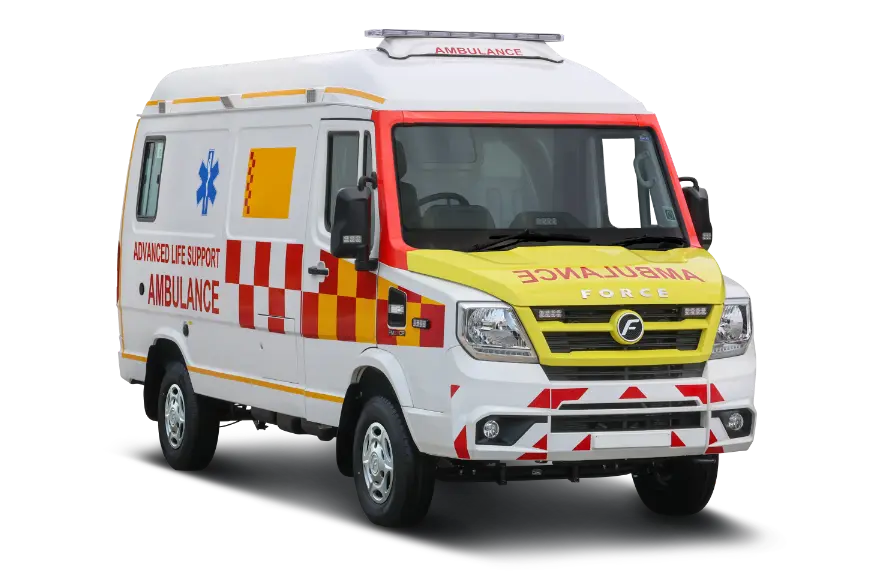
No. The vehicle shown is the Elite Ambulance branding concept on a Force Traveller 3350WB B-Type platform. Actual ambulance vehicle and configuration depend on the case and availability.
Call the Command Center. Preliminary triage and case intake can help structure the appropriate transport category.
Tell the Command Center where the person is, what is happening and where they may need to go. We will structure the next practical steps.